


Important Steps to Improve Your Website’s Ranking
ECakir website ranking checker 0
Important Steps to Improve Your Website’s Ranking
Website rankings are a crucial aspect of digital marketing and search engine optimization. The higher a website ranks, the more visible it is to potential customers who are searching for products or services related to that website.

Why Ranking Matters For Businesses
Credibility: Websites that rank higher on search engine results pages are often perceived as more credible and trustworthy. This is because search engines like Google use complex algorithms to determine website rankings based on factors such as content quality, backlinks, and user engagement. When a website ranks higher, it signals to potential customers that it is a reliable source of information or a reputable business. This can help businesses to build trust with their target audience and improve their credibility.
Website Traffic: One of the primary benefits of improving website rankings is increased website traffic. When a website ranks higher, it is more likely to be clicked on by potential customers. This can lead to an increase in website traffic, which can result in more leads, sales, and revenue for businesses. By optimizing their website for search engines, businesses can attract more high-quality traffic to their website, which can result in long-term business growth. UAE media companies can help businesses that struggle with rankings by coming up with a comprehensive SEO plan.
Competitive Advantage: Website rankings can also provide businesses with a competitive advantage. When a website ranks higher than its competitors, it is more likely to attract potential customers and generate leads and sales. By investing in SEO and improving website rankings, businesses can position themselves as leaders in their industry and gain a competitive advantage over their competitors.
5 Ways to Improve Your Website’s Ranking
 1. Publishing Authorative Content
Publishing relevant, authoritative content is crucial for improving a website’s ranking on search engine results pages (SERPs). In recent years, search engines like Google have become increasingly sophisticated in their ability to evaluate website content and rank it based on its relevance and authority
Search engines consider websites that publish authoritative content to be trustworthy sources of information. This is because authoritative content is typically well-researched and backed up by reliable sources. When a website publishes authoritative content, it is more likely to be shared and linked to by other websites. This can help to improve the website’s ranking on SERPs.
Publishing relevant, authoritative content can provide long-term value for businesses. When a website publishes high-quality content that meets the needs of its target audience, it can attract more visitors and generate more leads and sales. This can lead to long-term business growth and success. Additionally, high-quality content that is published on a regular basis can help businesses to establish themselves as thought leaders in their industry and build a loyal following of readers and customers.

2. Keep Your Content Fresh
Search engines like Google favor websites that provide fresh, up-to-date content. This means that websites that are updated frequently are more likely to appear higher in search results. When you update your content regularly, you are signaling to search engines that your website is active and relevant. This can help to improve your site’s visibility and attract more traffic.
When you update your content regularly, you are also improving user engagement. Visitors to your website are more likely to return if they see new content each time they visit. This can help to build a loyal following of readers who are interested in your content. Additionally, when you provide fresh, relevant content, you are giving your visitors a reason to stay on your website longer. This can help to improve engagement metrics like time on site and bounce rate, which can have a positive impact on your website’s ranking. You can see the changes and improvements in your ranking with a website ranking checker
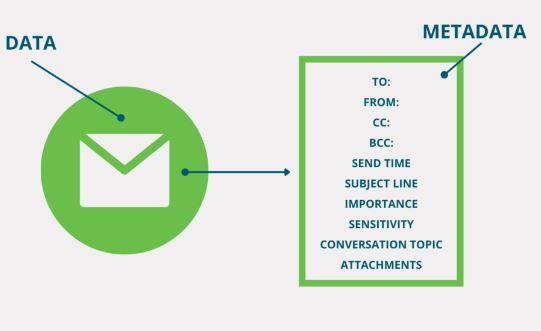
3. Metadata
Metadata is a set of data that provides information about other data. In the case of websites, metadata is used to describe the content of a webpage to search engines. There are two main types of metadata: meta titles and meta descriptions.
Meta Titles: The meta title is the text that appears at the top of a webpage in the browser tab and is also displayed in search results. It should accurately describe the content of the page and include relevant keywords.
Meta Descriptions: The meta description is a brief summary of the content on the page that is displayed in search results. It should provide a clear and concise summary of what the page is about and encourage users to click through to your website.
Metadata is important for several reasons:
It helps search engines understand the content of your website: Metadata provides information about the content of your website, making it easier for search engines to understand what your site is about and how it should be ranked in search results.
It can improve your click-through rate: By creating clear and compelling meta titles and descriptions, you can entice users to click through to your website from search results.
It can impact your search engine ranking: Search engines use metadata as a factor in determining where your website should rank in search results. By optimizing your metadata, you can improve your website’s ranking and visibility. Media companies in UAE can help businesses to understand how the ranking process works better and can come up with a systematic plan that will benefit in the long run.

4. Using Alt Tags
Alt tags are short descriptions of images that are embedded within the HTML code of a webpage. They provide context for the content of an image, making it easier for search engines to understand what the image is about and how it should be indexed in search results. Alt tags also serve as a fallback for visually-impaired users who rely on screen readers to navigate the web.
How to Use Alt Tags Effectively
Here are some tips for using alt tags effectively:
Be Descriptive: Alt tags should accurately describe the content of the image. Use descriptive language that accurately conveys the content and purpose of the image.
Use Keywords: Incorporate relevant keywords into your alt tags where appropriate. This can help to improve your site’s search engine ranking for those keywords.
Be Concise: Keep your alt tags concise and to the point. Aim for no more than 125 characters to ensure that the alt tag is easily read by screen readers and search engines.
Don’t Stuff Keywords: Avoid “keyword stuffing” in your alt tags. This is the practice of adding too many keywords to a piece of content, which can negatively impact your site’s search engine ranking.
Scarlet Marketing Consultancy Team is at your service during weekdays 9.00-18.00 GST.
Feel free to connect with us at +971526998809 or via [email protected] for international/local projects
Leave a Comment