

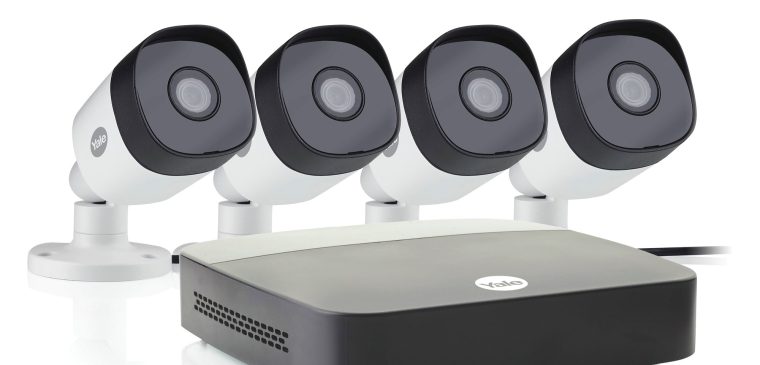
Security Cameras and How We Watch Our Homes Today
rauf Uncategorized 0
Security Cameras and How We Watch Our Homes Today
Security cameras have quietly moved into everyday life. They are no longer seen as tools only for emergencies or extreme situations. For many people, security cameras now serve a calmer purpose: helping them feel aware, settled, and confident in their own space.
Homes are more active than before. People work outside, travel often, and manage busy routines. In this setting, knowing what happens at home matters. Security cameras offer visibility without effort, which is why they feel less like equipment and more like part of the home itself.
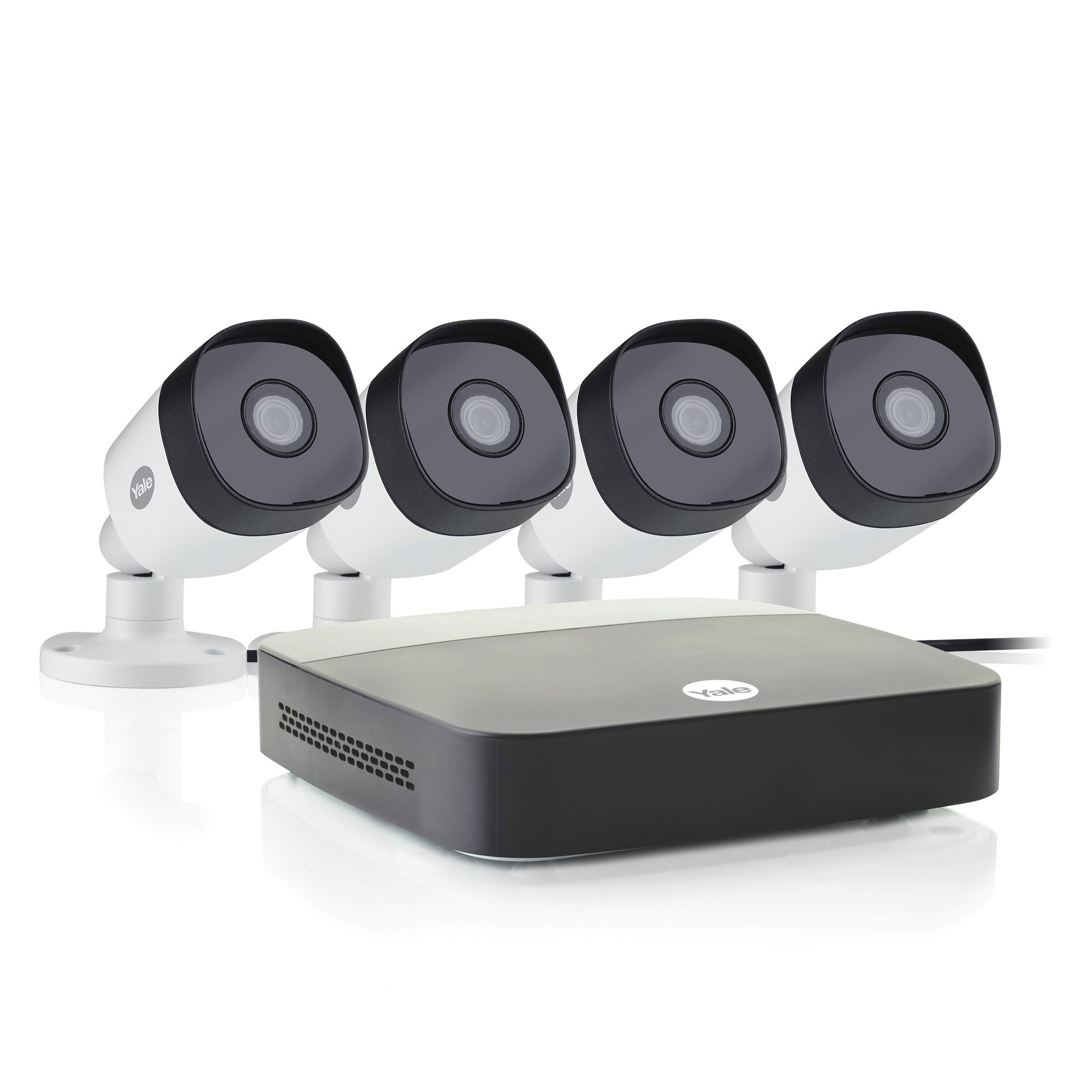
Why Security Cameras Became Part of Everyday Life
The role of security cameras changed as daily habits changed. Homes are empty for longer hours, and families are often spread across different schedules. This created a quiet need for awareness rather than control.
Security cameras answered that need by offering simple access to visual information. People no longer rely on memory or assumption. They check once, confirm, and continue with their day. This small action reduces stress more than most people expect.
From rare incidents to daily awareness
Security cameras were once linked to serious events. Today, they help with ordinary moments. A package arrives. A sound comes from the hallway. A light turns on when no one is home.
These moments are not emergencies, but they affect peace of mind. Security cameras help resolve them quickly, which keeps worry from growing.
How access from a phone changed behavior
Phone access reshaped how people use security cameras. There is no delay and no barrier. The screen is already there.
Because of this, checking footage feels natural and brief. People do not monitor constantly. They look when needed, then move on. This behavior turned security cameras into quiet support tools.
What Security Cameras Actually Help People With
Security cameras do not create safety on their own. They create clarity. That clarity changes how people react to uncertainty.
Instead of imagining what might be happening, users see what is actually happening. This shift lowers emotional pressure and improves daily comfort.
Replacing guesswork with visual answers
Many worries begin with incomplete information. Sounds at night. Movement outside. An unlocked door.
Security cameras replace guesswork with facts. In most cases, the answer is simple and harmless. Seeing this helps people relax and regain focus.
Understanding patterns, not just moments
Over time, security cameras reveal patterns. Certain doors open at fixed times. Some areas stay quiet most of the day.
When patterns become familiar, unusual activity stands out without effort. Security cameras help people notice change without constant attention.
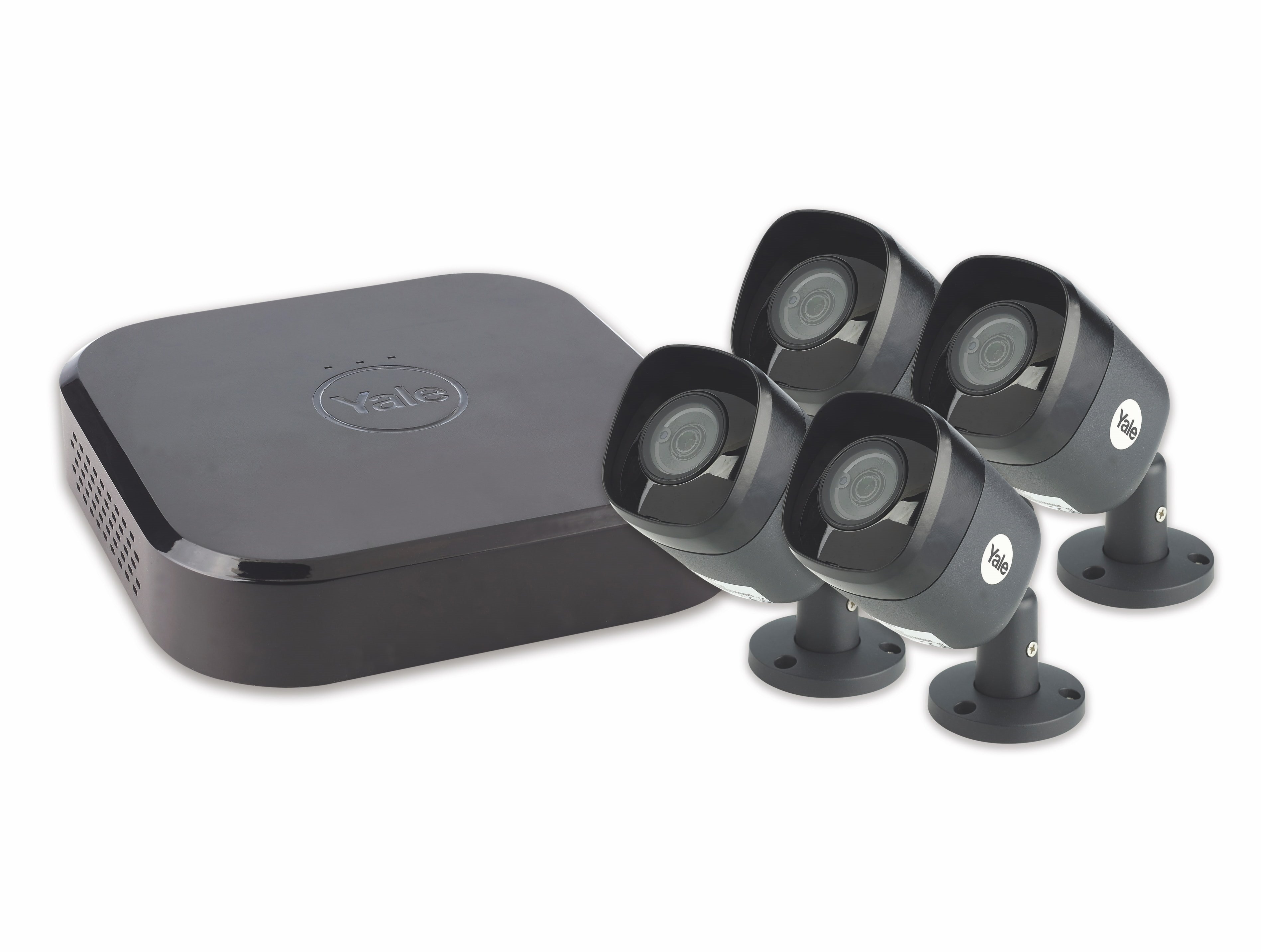
Security Cameras Inside and Outside the Home
Where cameras are placed matters more than how many are used. Each space serves a different role, and security cameras work best when they respect that role.
Indoor security cameras and shared spaces
Indoor security cameras are most effective in shared areas. Entrances, hallways, and common rooms provide useful context without invading privacy.
These placements support awareness while keeping personal spaces untouched. This balance helps cameras feel supportive rather than intrusive.
Outdoor security cameras and early awareness
Outdoor security cameras focus on access points. They show activity before someone enters the home.
This early awareness reduces surprise and gives people time to respond calmly. Even when nothing happens, the ability to check adds reassurance.
Living With Security Cameras Without Feeling Watched
Comfort is essential. Security cameras should never create tension inside the home.
Clear control over recording, viewing, and access helps people feel safe without feeling observed. When users decide how and when cameras work, trust builds naturally.
Control, privacy, and personal boundaries
People want to feel protected, not monitored. Security cameras should respect boundaries through clear settings and simple controls.
When privacy is respected, cameras blend into daily life instead of standing out.
When security cameras fade into the background
The best systems are rarely noticed. Security cameras should sit quietly until needed.
When they fade from daily thought, they succeed at their role.
How People Choose Security Cameras That Fit Their Life
Choosing security cameras is less about features and more about fit. Homes differ in layout, pace, and routine.
People look for systems that support calm, not complexity.
Choosing clarity over feature overload
Clear video and stable access matter more than long lists of tools. If footage is easy to understand, the camera has value.
Security cameras should answer questions quickly, not add new ones.
Security cameras as part of a calm home setup
Too many cameras can increase stress. Too few can create doubt.
A thoughtful setup focuses on key areas and leaves the rest of the home untouched. This balance allows security cameras to support daily life without dominating it.
Leave a Comment