


Why Last-Click Attribution Completely Breaks in Conversational Ads
rauf ChatGPT Ads 0
Why Last-Click Attribution Completely Breaks in Conversational Ads
Attribution models were built for a world of clicks, links, and neat funnels. Each step was visible. A user clicked an ad, landed on a page, and moved toward a sale. Marketers could trace that path and assign credit with some confidence.
Conversational ads change that setup. A user may ask a question and get an answer inside a chat. There is no results page full of links. The ad blends into the response. When the journey happens inside a conversation, the old tracking logic starts to fall apart.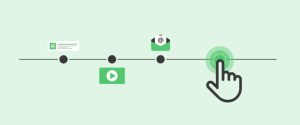
How Last-Click Attribution Was Designed for a Different Internet
The Click-Based Funnel That Shaped Modern Analytics
Last-click attribution assumes a straight line. A person sees an ad, clicks it, visits a site, and converts. Each step leaves a mark in analytics tools. Dashboards were built to follow that chain and reward the final click.
This model depends on visible actions. A click carries a referrer. A session gets logged. A conversion pixel fires. The system works because every stage creates data that tools can capture and label.
When those traces exist, reports look clean. A marketer can point to a channel and say it drove the sale. The model feels precise. Yet it only functions when the full path is measurable from start to finish.
Why It Worked (Well Enough) in Search and Social
Search ads and social feeds still run on clicks. A user taps a link and lands on a page. Cookies store the visit. UTMs label the source. Conversion pixels tie the action back to the ad. The loop stays intact.
Last-click was always a shortcut. It ignored the early touches that shaped the decision. Still, in a link-driven web, it gave a stable rule for reporting. Teams could compare channels and plan budgets with some structure.
The key point is that the web was built around links. Most influence passed through clickable paths. As long as behavior followed those paths, last-click looked reliable enough to guide spend.

What Changes When Ads Live Inside Conversations
From Click Paths to Invisible Influence
Conversational ads do not always ask for a click. A user may hear a brand name in a reply and store it in memory. Later, they might search for that brand, walk into a store, or type the URL directly. The influence is real, but the trail is broken.
This shifts how decisions form. Instead of a single chain, influence spreads across time. A chat today may shape a purchase next week. The ad works in the background, not as a visible step in a funnel.
Analytics tools struggle with that delay. They expect tight links between touch and sale. When the gap widens, credit drifts to whatever channel captures the final action, not the one that sparked the idea.
The Problem of Attribution Without a Landing Page
Many chat sessions end inside the interface. The user gets what they need and leaves. There is no classic landing page. No session gets passed to a website. No referrer tag travels with the user.
Without those signals, analytics platforms see a blank space. They record the later visit, but not the chat that shaped it. The system treats the conversion as direct traffic or organic search.
These blind spots grow as chat use rises. Reports start to show gaps that teams cannot explain. Campaigns that drive real influence appear quiet in dashboards, even while brand interest climbs.
Why Traditional Metrics Misread Conversational Performance
False Negatives in Campaign Reporting
When conversions happen off the tracked path, reports show false negatives. A conversational campaign may guide many decisions, yet receive little credit. Last-click hands the win to the channel that caught the final tap.
This creates a distorted picture of performance. Teams may pause or cut a strong campaign because the dashboard labels it weak. The problem is not the ad. The problem is the lens used to judge it.
Over time, this bias pushes budgets toward channels that are easy to track, not those that drive the most impact. High influence work gets undervalued because it does not fit the old model.
Overvaluing the Channels That Happen to Capture the Click
Channels like email, branded search, and direct visits often capture the closing click. They appear as top performers in last-click reports. In reality, they may only be the final step in a longer story.
Conversational ads can start that story. They plant the brand in the user’s mind. When the user later searches the name, branded search receives full credit. The original influence disappears from the chart.
This skews planning. Teams pour money into the visible closers and starve the early drivers. The mix looks efficient on paper while the true growth engines stay hidden.
Emerging Measurement Models for the Conversational Era
Incrementality and Lift Over Direct Attribution
New measurement models focus on overall change instead of single-touch credit. Incrementality tests compare exposed groups with holdout groups. Lift studies look at how behavior shifts when ads run versus when they stop.
These methods accept that perfect tracking is rare. They aim for directional truth. If a campaign raises sales, search volume, or brand recall in the exposed group, it earns credit even without a clean click path.
This approach moves the question from “Which click closed?” to “Did this effort drive growth?” It treats marketing as a system effect, not a chain of isolated taps.
Blended Attribution and Qualitative Signals
A blended model pulls data from many sources. Platform stats, surveys, brand search trends, and modeled attribution sit side by side. Each piece adds context to the full picture.
User feedback plays a larger role. Surveys can ask how people heard about a brand. Recall studies can track whether chat mentions stick in memory. These signals are softer than clicks, yet they reveal influence that logs miss.
Together, these inputs form a wider view of performance. Instead of strict click accounting, teams read patterns across data and perception. Conversational ads fit better in this frame because their impact is judged by effect, not by a single trace.
Brands that prepare early for ChatGPT ads will hold a long-term advantage. If you want expert guidance on AI-native media planning and ChatGPT ad activation, Scarlet Media can support your strategy.
Contact us at [email protected]
Leave a Comment