

Media Budget Optimization: 6 Ways to Get More From the Same Spend
Rauf Kenan Media Optimization 0
Media budget optimization means getting better results from the money you already have. Most brands cannot simply spend more. When budgets stand still, every lira and dirham has to work harder. This guide covers six ways to do that across TV, outdoor and digital.
Why Budgets Need to Work Harder
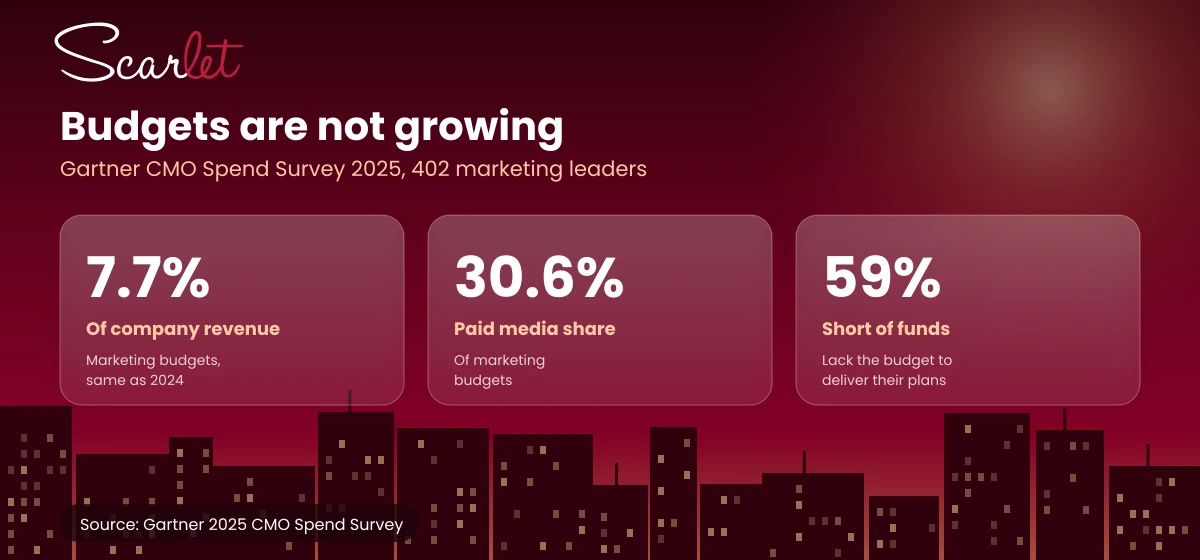
Budgets are tight almost everywhere. Gartner’s 2025 survey of 402 marketing leaders found that marketing budgets stayed flat at 7.7% of company revenue. Paid media took 30.6% of those budgets, and 59% of leaders said they lacked the funds to deliver their plans.
Where Budgets Leak
Before you optimize, find the leaks. The most common are:
- Too much frequency on the same people.
- Weak placements that look cheap but deliver little.
- Late bookings that pay peak prices.
- Tired creative that runs long after people stop noticing it.
- Channels judged alone, so overlaps go unseen.
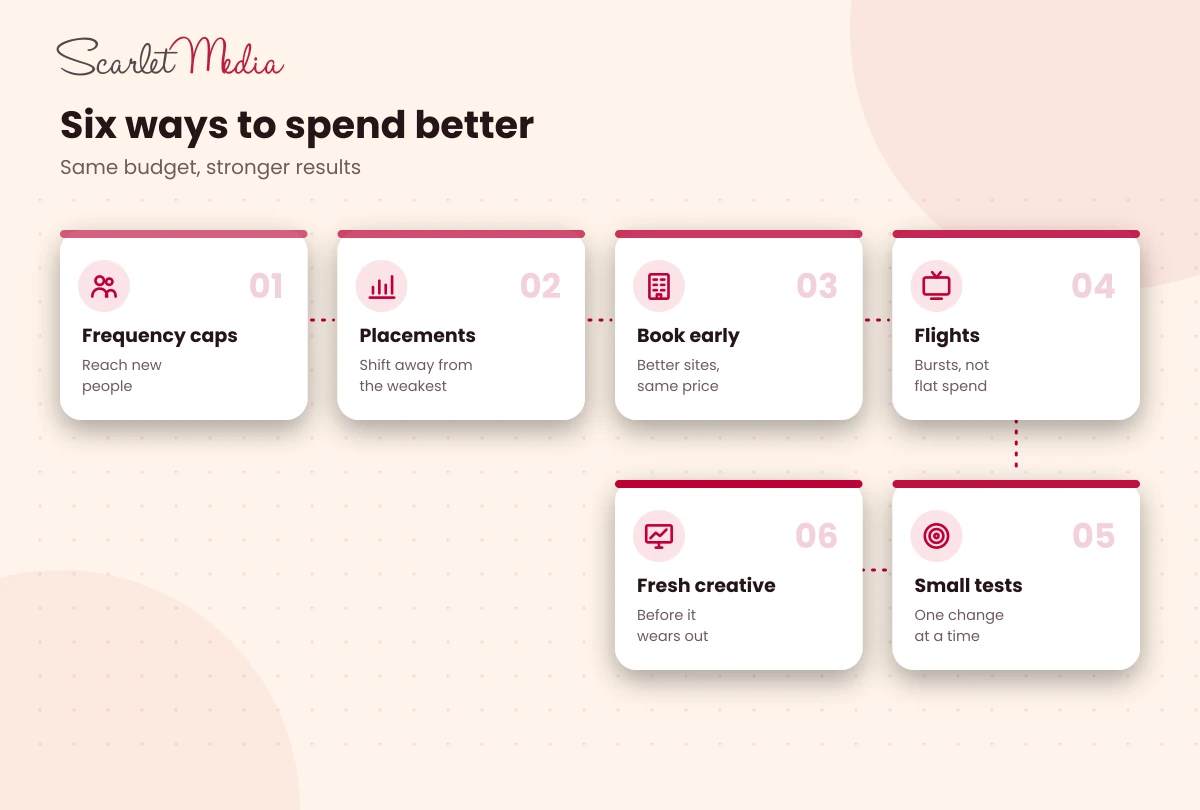
1. Cut Waste With Frequency Limits
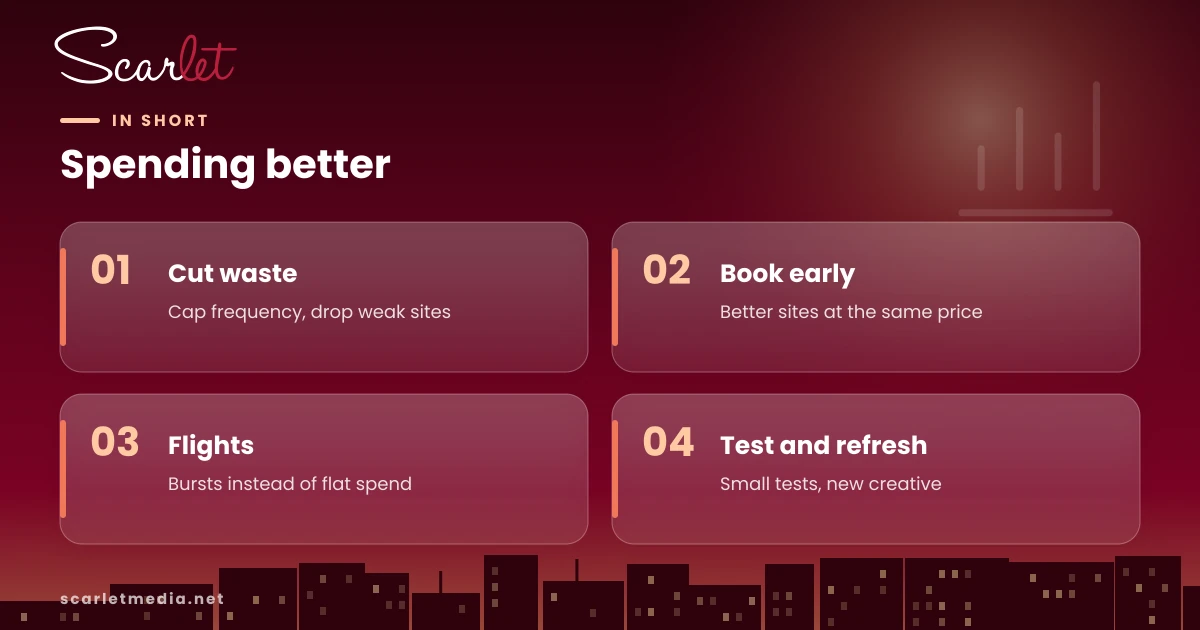
Showing an ad ten times to one person costs the same as showing it once to ten people. Set frequency caps in digital, spread TV spots across channels and rotate outdoor sites. The money you save can reach new people.
2. Media Optimization: Move Spend to Stronger Placements
Look at results by placement, daypart and site. Shift budget away from the weakest performers and toward the strongest. This simple habit sits at the heart of media optimization and often brings the fastest gains.
3. Book Earlier and Buy Together
Prices rise as inventory sells out. Booking TV and outdoor early, buying packages and negotiating channels together can lower costs. In Turkey and Dubai, peak seasons such as Ramadan and the year end fill fast, so plan those flights months ahead. Agree cancellation and change rules in each booking, so you keep some flexibility.
4. Use Flights Instead of Flat Spend
Spreading a small budget across every week makes each week weak. Flighting puts spend into strong bursts, with quieter weeks between them. Many brands keep a low, steady digital presence and add TV or outdoor bursts at key moments.
5. Campaign Optimization Through Small Tests
Campaign optimization works best as a habit of small tests. Try two audiences, two creatives or two bidding settings, then move budget to the winner. Change one thing at a time so the result is clear. Automated tools can speed up this work for digital campaigns.
6. Refresh Creative Before It Wears Out
Even strong ads lose impact when people have seen them too often. Watch for falling click rates, rising costs per result or weaker recall. Plan new versions in advance, so you can swap them in without a pause. Two or three versions per channel are usually enough to start.
Optimizing TV, Outdoor and Digital Differently
Each channel has its own levers:
- TV: spread spots across channels and dayparts, and check delivered ratings against the plan each week.
- Outdoor: compare site performance, drop weak faces in the next period and use digital screens for time-based messages.
- Digital: adjust audiences, bids and placements often, and cap frequency.
How Often to Optimize
Not every channel can change every day. Digital settings can change daily. TV schedules can change weekly, as long as bookings allow. Outdoor usually changes from one period to the next. Plan your review rhythm around these limits, so you do not chase noise in the data.
A Simple Example
Imagine a retail brand with a fixed monthly budget in Turkey. Its first report shows that a large share of digital impressions reach people who have already seen the ad many times. The brand caps frequency and moves that money to two new audiences. It also books its spring outdoor sites eight weeks earlier than last year and gets stronger sites at the planned price. The total budget stays the same, but the plan now reaches more people.
Advertising Optimization Across Channels
Advertising optimization should not happen in silos. If TV drives searches, cutting TV can raise search costs a few weeks later. Review all channels together, against one goal, before you move money between them.
Tracking Media Performance
You cannot optimize what you do not measure. Track media performance with a short list of numbers: reach, frequency, cost per result and sales or lead volume. Review weekly during a campaign and monthly across the year. Each review should end with one clear decision. A short report that people read beats a long one that nobody opens.
How Scarlet Media Handles Media Budget Optimization
Scarlet Media plans and buys TV, outdoor and digital media in Turkey and Dubai. We look for waste across channels, book early, test and move budget to what performs. We report each change so you can see what it added. Small changes, made often, add up over a year.
To talk to our team about your next campaign, email us at [email protected].
Leave a Comment